

'gabbha parihara mulaka dukkhā' : ค้นหาหนังสือธรรมะ
หน้าหนังสือทั้งหมด
64
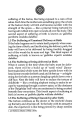
Suffering During Birth: The Experiences of the Foetus
…alt rubbed into open wounds all over his body. This second aspect of suffering at birth is known as 'gabbha parihara mulaka dukkhā'.
1.3 The Suffering of Unnatural Delivery at Birth
If the baby happens not to rotate itself properl…
…o maternal actions, particularly when consuming spicy foods, causing skin irritations. It describes 'gabbha parihara mulaka dukkhā', symbolizing the foeteal suffering from maternal diet. The text continues with 'gabbha vipatti mūla…
240
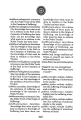
Understanding the Noble Truths and Suffering
dukkhanirodhagāminī ariyasacca knowledge that what must be done in relation to the Noble Truths has been done (see the Noble Truth of the Path to the Cessation of Suffering)
dukkhanirodhagāminī kat
บทความนี้สำรวจและอธิบายเกี่ยวกับความจริงอันสูงส่งเกี่ยวกับความทุกข์และเส้นทางในการบรรเทาความทุกข์ตามหลักธรรมของพุทธศาสนา เนื้อหาครอบคลุมถึงความรู้ในด้านต่างๆ ที่เกี่ยวข้องกับแนวทางการดับทุกข์ รวมถึงปร
65
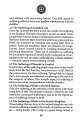
Aspects of Suffering in Birth
and stabbed with razor-sharp knives. This fifth aspect of suffering at birth is known as 'gabbha nikkhamana mūlaka dukkha'.
1.6 The Suffering of Curtailed Life
From the moment the baby leaves the womb
This text delves into the profound aspects of suffering experienced from the moment of birth. It highlights 'gabbha nikkhamana mūlaka dukkha', which refers to the initial suffering at birth, and exami
61
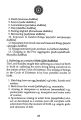
Understanding Suffering in Buddhism
4. Death [marana dukkhā]
5. Sorrow [soka dukkhā]
6. Lamentation [parideva dukkhā]
7. Pain [dukkha dukkhā]
8. Feeling slighted [domañassa dukkhā]
9. Bemoaning [upāyassa dukkhā]
10. Exposure to hateful
บทเรียนของพระพุทธเจ้ามุ่งเน้นไปที่การเข้าใจทุกข์และธรรมชาติของมัน เช่น ความทุกข์จากการเกิด, ความตาย, และอารมณ์ต่างๆ เช่น ความโศกเศร้า การพลัดพราก และความผิดหวัง ความทุกข์เกิดจากการคลั่งไคล้ในaggregate
73
Understanding Types of Suffering in Buddhism
parideva dukkha
The Buddha characterized this form of suffering as that which produces tears of anguish whenever we are unable to give up our attachment to something. Again the cause might be the dece
This text delves into the different forms of suffering defined by the Buddha. It describes 'parideva dukkha' as the anguish leading to tears due to attachment loss, primarily affecting those grieving
60
The Noble Truth of Suffering
The OCR result from the image reads:
---
**4 The Noble Truth of Suffering**
Every living being is a victim of suffering
The Lord Buddha explained the nature of suffering in detail. The Pali word for
The text delves into the concept of suffering, known as *dukkha*, as articulated by the Lord Buddha. It defines *dukkha* by its roots, explaining the inherent negativity of existence. Without sufferin
201
The Noble Truths of Suffering and Cessation
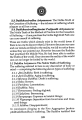
3.3 Dukkhanirodha Aryasacca: The Noble Truth of the Cessation of Suffering—the sickness of suffering which plagues us all has a cure;
3.4 Dukkanirodhagāminī Paṭipadā Aryasacca: The Noble Truth of the
The Noble Truths articulate the nature of suffering and its cessation. Dukkha encompasses various types of suffering including birth, aging, and death, as well as emotional pains like sorrow and disap
63
The Suffering of Internment in the Womb
1.1 The Suffering of Internment in the Womb
The foetus is seated upon the faeces of the mother passing through her intestines and has the food being digested in her stomach as a pillow. The foetus is
This text delves into the severe distress endured by a foetus during gestation, likening conditions in the womb to a form of hell due to physical confinement and sensory overload. The foetus experienc
211
Ariyo Aṭṭhiko Maggo: The Noble Eightfold Path
cakkhu-karāṇī nāṇakarāṇī upasamāya abhiññāya sambodhāya nibbānaya saṃvattati
Ayameva ariyo aṭṭhṭhiko maggo seyyaṭhiḍaṃ: <2.4.1> sammafṭṭhi <2.4.2> sammāsaṅkappo <2.4.3> sammāvaṭṭa<2.4.4> sammākammant
เนื้อหาเกี่ยวกับหนทางอันประเสริฐของพระพุทธศาสนา ซึ่งประกอบด้วยความเข้าใจที่ถูกต้อง, ความคิดที่ถูกต้อง, การพูดที่ถูกต้อง, การกระทำที่ถูกต้อง, การดำรงชีวิตที่ถูกต้อง, ความพยายามที่ถูกต้อง, ความตั้งมั่นท
239
Understanding Suffering in Buddhism
dhammānupassanāsaṭipatthañā dukkhā dukkhā (see the suffering (see mindfulness of mental phenomena in the mental phenomena and also Paṭhama Magga Sphere) Dhammapadāṭhākathā (P. Dhammapada Commentary) d
เนื้อหานี้นำเสนอแนวคิดเกี่ยวกับความทุกข์ในพระพุทธศาสนา รวมถึงการเป็นผู้มีสติในการประจักษ์ทุกข์ การเข้าใจความรู้สึกผิดหวังและความโกรธ ซึ่งเป็นส่วนสำคัญในเส้นทางการพัฒนาทางปัญญาและการปล่อยวาง และการเข้า
244
Understanding Buddhist Concepts: Nirvana and Absorptions
nevasāññāṇasāññāyatana (absorption of neither-perception-nor-non-perception: see formless absorptions) Nevasāññāsaññāyatanaabhūmi (realm of neither-perception- nor-non-perception: see formless Brahma
This text delves into various Buddhist concepts such as Nevasāññāṇasāññāyatana, the realm of neither-perception-nor-non-perception, Nibbāna, and other related terms. It discusses the Five Aggregates,
204
The Noble Eightfold Path and Its Fruits
earlier:
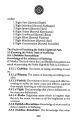
1. Right View [Sammā Ditthi]
2. Right Intention [Sammā Saṅkappa]
3. Right Speech [Sammā Vāca]
4. Right Action [Sammā Kammanta]
5. Right Livelihood [Sammā Ājīva]
6. Right Effort [Sammā Vāyāma]
The Noble Eightfold Path consists of eight practices aimed at ethical and mental development, leading to enlightenment. The path includes Right View, Intention, Speech, Action, Livelihood, Effort, Min
21
Veneration of the Triple Gem and Reflections on Detachment
[7] Veneration of the Triple Gem
Ratanattayappāñamagāthā
(Handa mayañ ratanttayappāñamagāthāyo ceva,
sāṁvegaparikkantapaṭṭhāṁca bhānāma se)
Buddho susuddho karuṇāmahānnaṁvo, Yoccantasuddhabbarāṇhālah
เนื้อหานี้สำรวจการบูชาของพระรัตนตรัยและการละทิ้งความทุกข์ในชีวิต โดยเน้นแนวคิดของความทุกข์และการใช้คำสอนของพระพุทธเจ้าที่ยึดมั่นในหลักธรรมและการเดินทางสู่การตระหนักรู้สู่ความสงบ ติดต่อเพื่อเรียนรู้เพิ
75
Understanding Suffering and Attachment
move those hateful things or escape from their grasp — but when we can’t it only adds to the suffering in our mind.
11. Separation from loved ones and treasured things [piyihi vipayoga dukkhā] If we a
This text delves into the various forms of suffering as described in Buddhist teachings. It highlights how separation from loved ones and possessions leads to emotional pain and how disappointment man
43
Understanding Life's Differences Through Buddhism
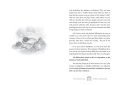
with disabilities like deafness or blindness? Why are some
people born into a wealthy family while others are born so
poor that they cannot even get a drop of their mother's milk?
Why are some born in
This text examines profound questions about social and physical inequalities in life, such as wealth disparity and disability. It emphasizes that these variations, though perceived as normal, have dee
42
Understanding Kamma and Family Life
Part One: Family Life
The fact that people all are born humans, but vary in the
amount of happiness or dukkha (suffering) is an indication
that the fruits of Kamma exist and their retribution is deriv
In this text, the relationship between Kamma and the varying levels of happiness or suffering (dukkha) among humans is examined. With insights from the Buddha's teachings, it emphasizes that our curre
157
Understanding Dhamma and the Eightfold Noble Path
Sucone Jeffray
life, and depend on ourselves. They usually live for a really, really, really long time (like hundreds of thousands of years) until they deplete their good kamma.
Dhamma – (Sanskrit:
The text discusses the concepts of Dhamma, meditation, and the Eightfold Noble Path as essential elements leading to true understanding and happiness. It emphasizes that true nature and enlightenment
69
Understanding Suffering and Aging
bear.
When the sun shines in the morning, all the different flowers of the meadow and the water, open up their petals to welcome its rays. However, when the rays of the sun become hotter, the same flo
This text discusses the philosophical concepts of aging and illness in relation to suffering. It compares the vitality of youth and the deterioration that comes with age to flowers that wither in the
140
Understanding the Dhammakāya and Its Mind
reaching the Dhammakāya and becoming one and the same as the Dhammakāya. The body of the Dhammakāya incorporates layers of perception, sensory registration, central processing and cognition in just th
The Dhammakāya embodies a body that resembles human perception while its mind can expand significantly, allowing the meditator to observe the eight inner bodies. This process unveils the Three Signs o
200
The Middle Way and the Four Noble Truths
3. Right Speech [Sammā Vācā]
4. Right Action [Sammā Kammanta]
5. Right Livelihood [Sammā Ājīva]
6. Right Effort [Sammā Vāyāma]
7. Right Mindfulness [Sammā Sati]
8. Right Concentration [Sammā Samādhi]
This text discusses the Middle Way as taught by the Tathāgata, emphasizing the importance of Right Speech, Action, Livelihood, Effort, Mindfulness, and Concentration as a means to attain insight and e